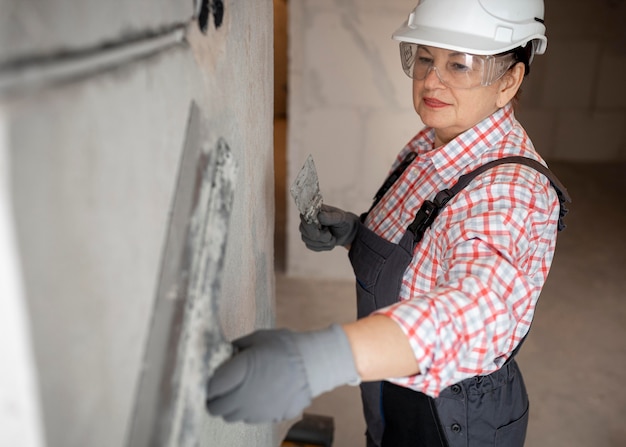
Foundation cracks can be a homeowner’s nightmare, leading to structural issues and potential safety hazards. Mastering the professional techniques for foundation crack repair is crucial for maintaining the integrity of a building. This article delves into the methodologies and approaches used by industry experts to ensure robust and durable repairs. Understanding these techniques not only helps in executing repairs effectively but also in identifying potential problems before they escalate.
Understanding Foundation Cracks
Foundation cracks can result from various factors, including soil movement, temperature fluctuations, and structural load imbalances. Identifying the type of crack is essential for determining the appropriate repair method. Common types of cracks include:
- Vertical Cracks: Often due to concrete shrinkage and generally not structural threats.
- Diagonal Cracks: Typically caused by differential settlement or thermal movement.
- Horizontal Cracks: Indicate severe pressure from soil or water and require immediate attention.
For a comprehensive understanding of these crack types and their implications, discover expert strategies here.
Professional Repair Techniques
Epoxy Injection
Epoxy injection is an effective method for repairing non-moving cracks in concrete walls. This technique involves injecting a liquid epoxy resin into the crack, which then hardens to form a strong bond. It is vital to:
- Ensure the crack is clean and dry before application.
- Use the appropriate viscosity of epoxy based on crack width.
- Monitor the curing process to ensure the integrity of the repair.
Learn about our tailored solutions for epoxy injections and how they can restore structural integrity.
Polyurethane Foam Injection
Unlike epoxy, polyurethane foam is used for sealing moving cracks and water leaks. This method involves injecting a flexible foam that expands and contracts with movement, providing a watertight seal. Key considerations include:
- Choosing foam with the right expansion properties for the specific crack.
- Applying the injection in a controlled manner to avoid over-expansion.
- Ensuring the foam fills the crack completely without leaving voids.
Explore advanced guides and tips to effectively employ polyurethane foam injection.
Carbon Fiber Reinforcement
For structural cracks, carbon fiber reinforcement offers a sturdy solution. This technique involves adhering carbon fiber strips to the wall, which provides additional strength and prevents further movement. Important steps include:
- Surface preparation to ensure strong adhesion.
- Precision in applying the carbon fiber strips.
- Continuous monitoring to assess the effectiveness of the reinforcement.
Find out more about this approach and how it can safeguard against future damages.
Preventive Measures and Maintenance
Prevention is always better than cure. Implementing regular maintenance and monitoring can prevent the development of new foundation cracks. Consider the following preventive measures:
- Ensure proper drainage around the foundation to reduce soil pressure.
- Regularly inspect for signs of moisture or water accumulation.
- Address small cracks immediately to prevent them from worsening.
For detailed preventive strategies and maintenance tips, explore advanced guides and tips.
Mastering these professional techniques for foundation crack repair not only prolongs the life of a building but also ensures the safety and comfort of its inhabitants. By understanding and applying these methods, one can effectively address existing issues and prevent future problems.
