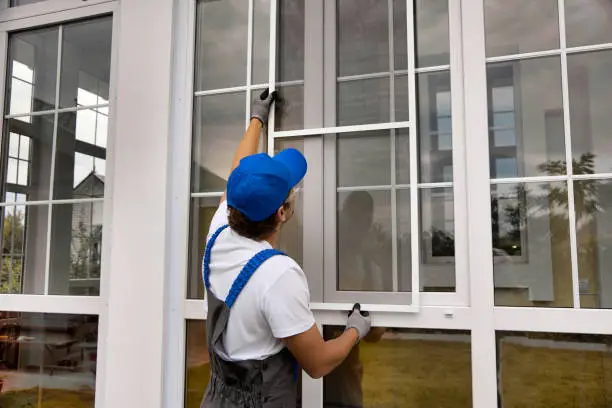
Installing new windows can significantly enhance the aesthetic appeal of a building while improving energy efficiency and interior comfort. The choice of materials used in window installations plays a crucial role in determining the durability, insulation properties, and overall performance of the windows. Selecting the right materials requires an understanding of the options available and their corresponding benefits. This article explores high-quality materials for window installation, offering insights to help make informed decisions.
Materials for Window Frames
The frame of a window is the structural component that supports the glass and connects it to the wall. Various materials are used for window frames, each with distinct advantages.
Wood
Wood is a classic choice for window frames, known for its natural beauty and excellent insulating properties. It offers:
- Aesthetic appeal, with a traditional and warm look.
- Good insulation against heat and cold.
- Customizable options with paint or stain finishes.
Read more about this topic here.
Vinyl
Vinyl frames are popular due to their affordability and low maintenance. Vinyl offers:
- Resistance to moisture and humidity.
- Good thermal performance, helping to reduce energy costs.
- Variety of colors and finishes, with no need for painting.
Explore further insights here.
Aluminum
Aluminum frames are known for their strength and lightweight properties. They are ideal for:
- Supporting large glass panels due to their structural integrity.
- Providing a sleek, modern aesthetic.
- Being highly resistant to corrosion and wear.
Find additional information here.
Fiberglass
Fiberglass frames offer durability and energy efficiency. They are characterized by:
- Excellent resistance to temperature fluctuations.
- High energy efficiency, reducing heating and cooling costs.
- Low maintenance, requiring little upkeep over time.
Learn more in this detailed guide here.
Glass Options for Windows
The type of glass used in windows significantly affects energy efficiency and comfort. Several glass options are available to meet different needs.
Single-pane Glass
Single-pane glass is the simplest and most affordable option. However, it offers minimal insulation, making it less suitable for climates with extreme temperatures.
Double-pane Glass
Double-pane glass consists of two layers of glass with a space in between, filled with air or gas for better insulation. Benefits include:
- Improved energy efficiency, reducing heating and cooling costs.
- Better soundproofing, minimizing external noise.
Triple-pane Glass
Triple-pane glass provides the highest level of insulation and energy efficiency. It is ideal for:
- Extreme climates where maintaining indoor temperature is crucial.
- Enhanced soundproofing and security.
Explore further insights here.
Conclusion
Choosing the right materials for window installation is a crucial step toward achieving a comfortable, energy-efficient, and aesthetically pleasing environment. Understanding the properties and benefits of each material helps in making informed decisions that align with specific needs and preferences. For further guidance on selecting the best materials for your window installation project, consider seeking professional advice or exploring more resources available online. Find additional information here.
