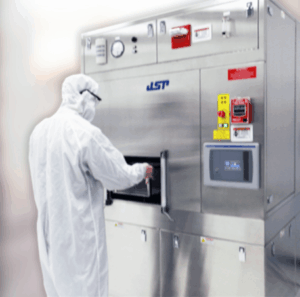
In today’s fast-paced industrial landscape, the need for efficient and effective drying systems has become critical to maintaining production quality and operational efficiency. Advanced drying systems are designed to meet the diverse needs of various industries, from food processing to pharmaceuticals, by providing high-performance solutions that optimize energy use and enhance product quality. This article delves into the intricacies of advanced drying systems, exploring their benefits, types, and the role of modern technology in pushing the boundaries of industrial drying processes.
The Importance of Advanced Drying Systems
Drying systems are integral to many industries, as they directly impact product quality, shelf life, and processing efficiency. Here are some key reasons why industries are increasingly investing in advanced drying systems:
- Improved energy efficiency, leading to cost savings.
- Enhanced product quality and consistency.
- Reduction in processing time, thereby increasing throughput.
- Compliance with environmental and safety standards.
To explore more about tailored drying solutions that can significantly impact industrial operations, discover expert strategies here.
Types of Advanced Drying Systems
Convection Drying Systems
Convection drying systems utilize hot air or gas to remove moisture from products. These systems are widely used due to their simplicity and effectiveness. They are particularly beneficial in industries such as food processing and pharmaceuticals.
For comprehensive insights into convection drying systems, learn about our tailored solutions.
Vacuum Drying Systems
Vacuum drying involves the removal of moisture under reduced pressure, which lowers the boiling point of water. This method is ideal for heat-sensitive materials and is commonly used in the chemical and pharmaceutical industries.
Those interested in understanding the nuances of vacuum drying can explore advanced guides and tips.
Freeze Drying Systems
Freeze drying, or lyophilization, is a process that removes moisture by freezing the product and then sublimating the ice. This method is particularly useful for preserving the structural integrity and bioactivity of sensitive products, making it popular in the food and pharmaceutical sectors.
To gain a deeper understanding of freeze drying techniques, find out more about this approach.
The Role of Technology in Drying Systems
Advancements in technology have significantly enhanced the capabilities of drying systems. Modern systems now incorporate:
- Automated control systems for precise monitoring and adjustment.
- Data analytics for optimizing drying cycles and reducing energy consumption.
- Advanced materials and designs that improve heat transfer efficiency.
Embracing these technological advancements ensures that industries remain competitive and compliant with evolving regulations. For further exploration of how technology is shaping the future of drying systems, discover expert strategies here.
Conclusion
As industries continue to evolve, the demand for advanced drying systems will only grow. By adopting state-of-the-art drying technologies, businesses can achieve greater efficiency, ensure product quality, and reduce environmental impact. The integration of modern technology into drying systems represents a strategic move that not only enhances production processes but also aligns with global sustainability goals. For those seeking to stay ahead in the industrial sector, understanding and implementing these advanced systems is crucial. To learn more about how advanced drying solutions can benefit specific industrial applications, explore advanced guides and tips.
