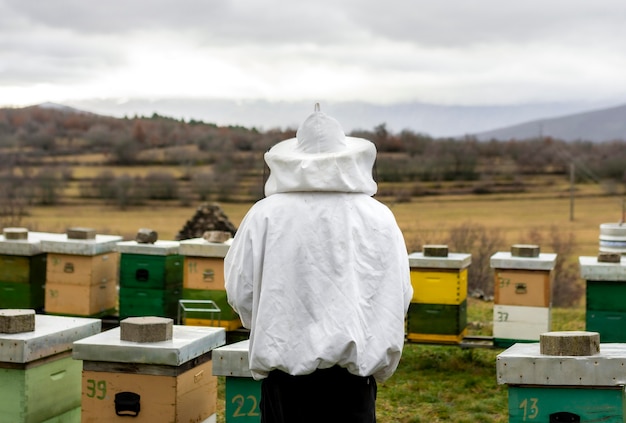
Bees play an essential role in our ecosystem, primarily as pollinators for a variety of plants. However, when bees establish their hives too close to human habitats, they can become a concern for safety and comfort. In these situations, engaging the services of an expert bee removal company is crucial to ensure the safe and humane relocation of these buzzing guests. This article delves into the nuances of bee removal, why professional services are recommended, and what to expect from the process.
Understanding the Importance of Professional Bee Removal
While bees are vital to biodiversity, their presence in residential areas can lead to potential risks such as:
- Allergic reactions from stings, which can be severe or even life-threatening.
- Structural damage to property from large hives.
- Disruption of daily activities due to aggressive swarming behavior.
Professional bee removal experts are trained to handle these situations with care, ensuring minimal disruption to both the bees and the residents. Discover expert strategies here to effectively manage bee infestations.
Why Choose an Expert Bee Removal Company?
Opting for a professional bee removal service offers several advantages:
Safety and Expertise
Bee removal specialists possess the necessary knowledge and equipment to safely remove hives without harming the bees or the property inhabitants. They also adhere to local regulations regarding wildlife control. Learn about our tailored solutions that prioritize both safety and efficacy.
Humane and Eco-Friendly Methods
Professionals employ humane techniques to relocate bees, often working with local beekeepers to ensure the bees are moved to a safe location where they can continue to thrive.
Preventive Measures and Advice
In addition to removing existing hives, experts provide guidance on preventive measures to avoid future infestations. Explore advanced guides and tips for maintaining a bee-free environment.
What to Expect from the Bee Removal Process
Engaging a bee removal expert typically involves the following steps:
- Inspection: The technician assesses the situation, identifying the bee species and the location of the hive.
- Removal Plan: A tailored plan is developed, considering the safety of both humans and bees.
- Execution: Using specialized tools and techniques, the hive is carefully removed.
- Relocation: The bees are relocated to a suitable environment, often in coordination with beekeepers.
- Follow-Up: Post-removal inspections ensure the area remains bee-free.
Find out more about this approach for a comprehensive understanding of each step in the process.
Conclusion
The presence of bees near residential or commercial properties requires careful management to protect both human safety and bee populations. Engaging a professional bee removal service ensures that these delicate situations are handled with expertise, care, and respect for the environment. For those facing a bee problem, seeking out professional help can provide peace of mind and a sustainable solution. Whether dealing with a small hive or larger infestations, expert intervention is always the recommended course of action.
