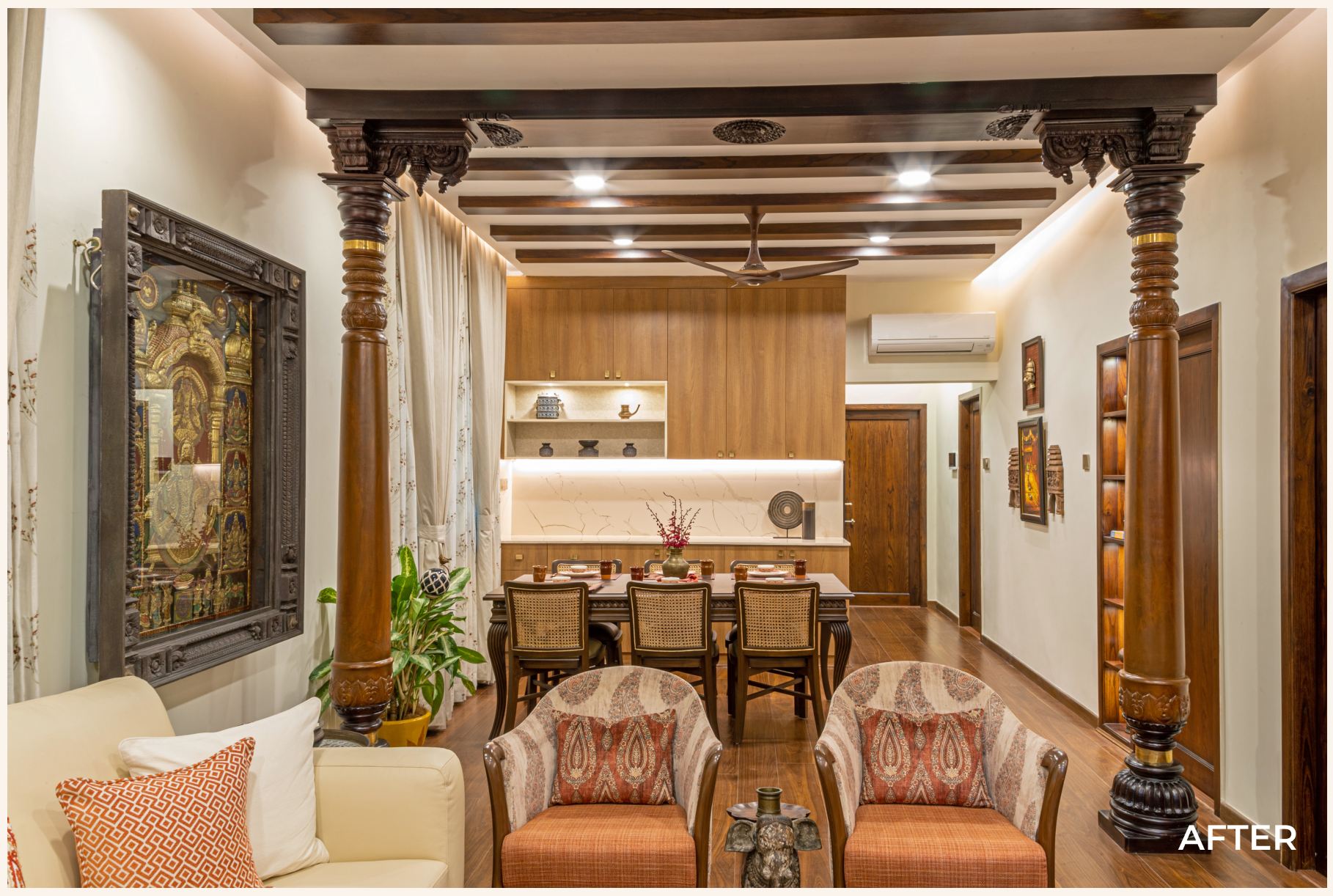
Transforming the interior of a home goes beyond mere aesthetics; it represents a shift towards a more functional, comfortable, and inspiring living space. As the world of design evolves, so too do the possibilities for interior transformations. These changes are not just about keeping up with trends but about crafting spaces that reflect personal style and improve the quality of life. This article delves into the elements that can elevate the home environment, highlighting the importance of design harmony, functionality, and personalized touches. Dive into the art of interior transformation and discover how to reimagine your living spaces.
Understanding the Basics of Interior Transformations
Interior transformations are rooted in a few fundamental principles that guide the process of redesigning a space. These principles help ensure that the final result is both aesthetically pleasing and functionally efficient.
- Balance: Achieving visual equilibrium in a room by distributing elements evenly across the space.
- Proportion and Scale: Ensuring that size and space relationships between objects are harmonious.
- Harmony and Unity: Creating a consistent and cohesive look through the use of color, texture, and style.
For those looking to delve deeper into interior transformations, understanding these basics provides a solid foundation to build upon.
Emphasizing Functionality and Comfort
While aesthetics play a crucial role, functionality and comfort are paramount in any interior transformation. A beautiful space that doesn?t cater to the needs of its inhabitants falls short of its potential.
Key Considerations for Functional Design
- Space Planning: Efficiently organizing furniture and decor to maximize usability and flow.
- Lighting: Using a combination of natural and artificial lighting to enhance ambience and functionality.
- Storage Solutions: Incorporating clever storage options to maintain a clutter-free environment.
Incorporating these elements ensures that the interior not only looks good but also serves the everyday needs of those who live there.
Personalization: Infusing Your Style
One of the most rewarding aspects of an interior transformation is the ability to infuse spaces with personality and style. Personalization turns a house into a home, reflecting the tastes and preferences of its inhabitants.
Ways to Personalize Your Space
- Color Palette: Choosing colors that resonate with personal style and evoke the desired mood.
- Art and Decor: Selecting pieces that hold personal significance or add a unique touch.
- Custom Furniture: Considering bespoke pieces that fit specific needs and enhance the overall design.
These personalization strategies allow for a deeper connection to the living space, making it uniquely yours.
The Role of Technology in Modern Interior Design
Technological advancements have opened new horizons in the realm of interior transformations, offering innovative solutions that enhance both design and functionality.
- Smart Home Integration: Utilizing technology to control lighting, climate, and entertainment systems seamlessly.
- Virtual Design Tools: Leveraging software to visualize and plan spaces before committing to physical changes.
- Sustainable Solutions: Incorporating energy-efficient appliances and environmentally friendly materials.
These technological enhancements not only improve the quality of life but also contribute to sustainable living practices.
Conclusion: Elevating Your Home Environment
An interior transformation is more than a superficial change; it is an investment in lifestyle improvement. By understanding the principles of design, emphasizing functionality, personalizing spaces, and integrating technology, one can create a home that is both beautiful and practical. Whether you are considering a minor update or a complete overhaul, the journey of interior transformations is an exciting opportunity to reimagine and elevate your living environment.
