Radon gas is an invisible threat that can significantly impact the health of residents in Denver and surrounding areas. As a colorless, odorless radioactive gas, radon is a leading cause of lung cancer, second only to smoking. In the Mile High City, the risk is even more pronounced due to its specific geological composition. Therefore, understanding and mitigating radon exposure is crucial. Denver’s radon mitigation experts provide invaluable services to ensure homes and businesses maintain safe indoor air quality levels.
Understanding Radon and Its Impact
Radon is naturally occurring and originates from the breakdown of uranium in soil, rock, and water. This gas can enter buildings through cracks in floors, walls, foundations, and other openings, accumulating to dangerous levels if not properly managed.
- Radon is responsible for approximately 21,000 lung cancer deaths annually in the United States.
- The average indoor radon level in Denver is higher than the national average, necessitating more vigilant monitoring and mitigation efforts.
- Testing is the only way to detect radon presence, as it is invisible and odorless.
For more detailed insights into radon and its effects, discover expert strategies here.
Radon Mitigation Techniques
Effective radon mitigation involves several strategies tailored to the specific needs of a building. These techniques are designed to prevent radon from entering a home or to reduce its concentration if it has already penetrated the living spaces.
Active Soil Depressurization (ASD)
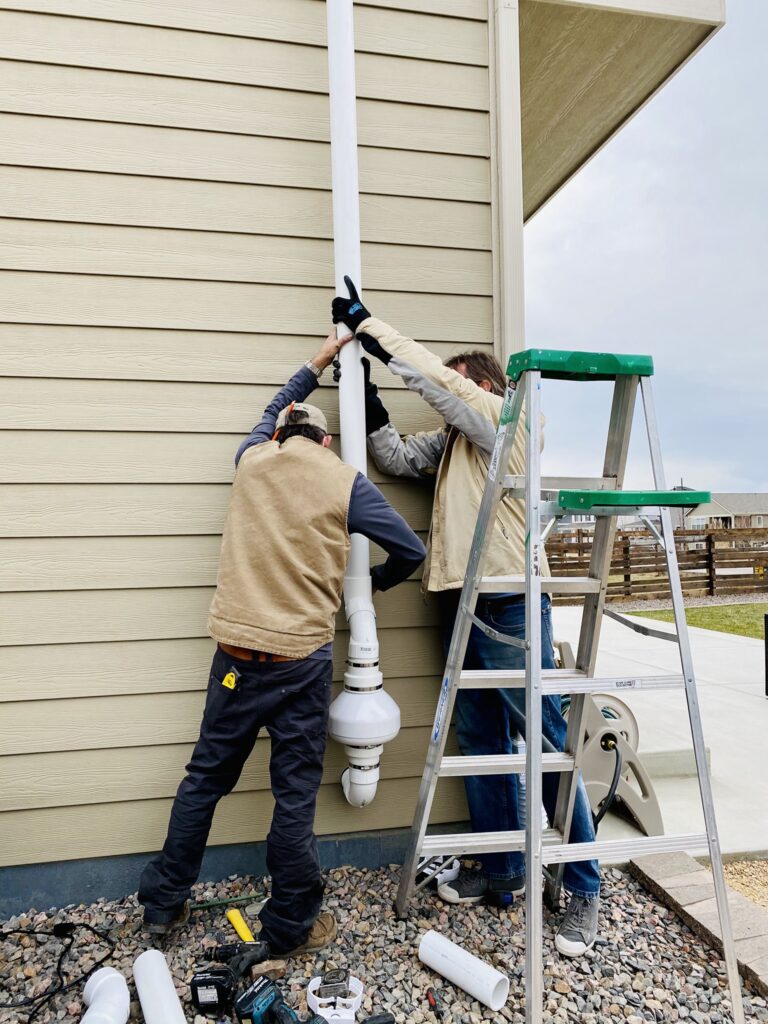
ASD is the most common and effective method for radon mitigation. This technique involves installing a vent pipe system and fan to pull radon from beneath the building and vent it outside.
- Proven to significantly lower radon levels in a short time.
- Requires professional installation to ensure efficacy and compliance with safety standards.
To understand more about how ASD works, learn about our tailored solutions.
Sealing and Ventilation
Sealing cracks and openings in the foundation and walls can help reduce radon entry, although it is not a standalone solution. Improving ventilation in crawl spaces and the overall building can also aid in reducing radon concentrations.
- Sealing is a supplementary measure that enhances the effectiveness of ASD.
- Increased ventilation helps dilute radon concentrations indoors.
These methods are explained in more depth at explore advanced guides and tips.
Choosing the Right Mitigation Experts
Selecting the right radon mitigation service is crucial for ensuring safety and efficacy. Denver’s experts are equipped with the latest technology and knowledge to address radon issues efficiently.
- Look for professionals with certifications from recognized bodies such as the National Radon Proficiency Program (NRPP).
- Ensure they offer comprehensive testing and follow-up services to confirm the success of mitigation efforts.
- Experts should provide clear communication and detailed plans tailored to individual building needs.
For more information on selecting the right professionals, find out more about this approach.
Why Denver’s Residents Need Prompt Radon Mitigation
Given the higher-than-average radon levels in Denver, prompt and effective mitigation is essential. Protecting the health of residents and ensuring peace of mind requires proactive measures and expert intervention.
- Quick response to elevated radon readings can prevent long-term health risks.
- Regular testing and maintenance of mitigation systems ensure continued safety.
- Access to local experts who understand the specific geological and environmental factors of the Denver area is crucial.
For more information on radon mitigation in Denver, visit Colorado Radon Mitigation.
Addressing radon concerns requires expertise, precision, and a commitment to safety. By engaging with trusted professionals, Denver residents can ensure their homes remain safe and healthy environments for years to come.
