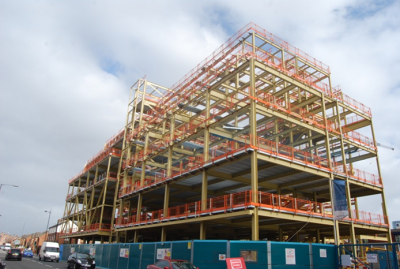
Healthcare facilities are more than just buildings; they are sanctuaries where healing begins. The architecture and design of these spaces play a critical role in patient recovery and staff efficiency. Healthcare builders are therefore tasked with a significant responsibility: to create environments that foster healing, ensure safety, and support the well-being of all who enter. This article delves into the essential elements of healthcare construction, emphasizing the importance of design, functionality, and technology in modern healthcare facilities.
The Role of Design in Healthcare Facilities
Design is a cornerstone in the construction of healthcare environments. It influences both the physical and psychological aspects of patient care. A well-designed facility can improve patient outcomes and enhance the overall experience.
Patient-Centric Design
- Incorporation of natural light to improve mood and recovery rates.
- Use of soothing color palettes to create a calming environment.
- Implementation of wayfinding strategies to reduce stress and confusion.
Explore further insights on patient-centric design here.
Functional Layouts
- Efficient floor plans that reduce walking distances for staff.
- Centralized nurse stations to enhance patient monitoring.
- Flexible spaces that can adapt to changing healthcare needs.
Read more about this topic in this detailed guide.
Technological Integration in Healthcare Construction
Technology is reshaping how healthcare is delivered, and its integration into facility construction is paramount. Emerging technologies can lead to improved patient care and operational efficiency.
Smart Building Technologies
- Automated systems for lighting, heating, and air conditioning to enhance energy efficiency.
- Advanced security systems to protect patient data and ensure safety.
- Telemedicine capabilities integrated into patient rooms to facilitate remote consultations.
Learn more about technological advancements in this detailed guide.
Sustainable Practices
- Use of eco-friendly materials to reduce environmental impact.
- Installation of solar panels and energy-efficient systems.
- Water conservation methods, such as low-flow plumbing fixtures.
Find additional information on sustainable practices here.
Challenges and Considerations
Constructing healthcare facilities comes with its unique set of challenges. Builders must navigate regulatory requirements, budget constraints, and the need for future-proofing to ensure the facility remains relevant for years to come.
- Compliance with healthcare regulations and standards.
- Balancing cost-effectiveness with quality and safety.
- Anticipating future healthcare trends and technological advancements.
Explore further insights into overcoming these challenges here.
In conclusion, healthcare builders play an essential role in creating environments that not only meet the immediate needs of patients and staff but also anticipate future demands. Through innovative design, integration of technology, and sustainable practices, they ensure that healthcare facilities remain at the forefront of medical care and healing.
