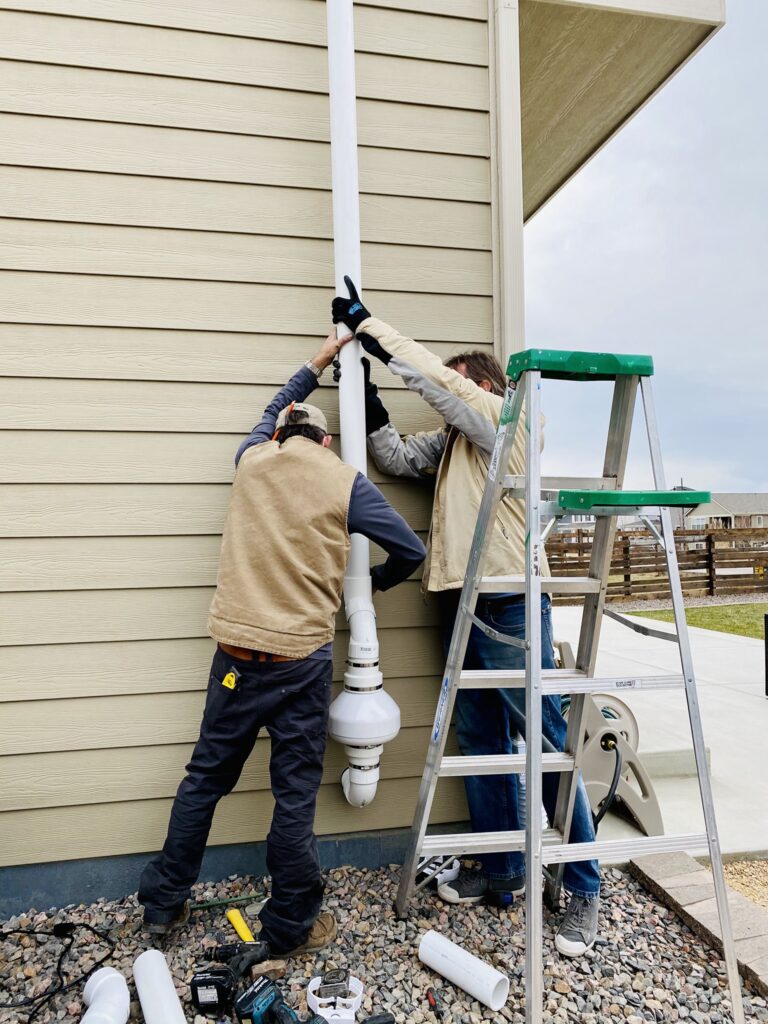
Radon mitigation is a crucial service for homeowners and businesses in Denver, where radon levels can pose significant health risks. Radon is a naturally occurring radioactive gas that can enter buildings through cracks and other openings in the foundation. Prolonged exposure to high levels of radon can lead to serious health issues, including lung cancer. Therefore, professional radon mitigation services are essential to ensure safe indoor air quality. This article explores the key aspects of radon mitigation in Denver, highlighting the importance of expert intervention and the advanced techniques used to combat this invisible threat.
Understanding Radon and Its Risks
Radon is a colorless, odorless gas that arises from the decay of uranium in soil, rock, and water. It can accumulate in homes and buildings, especially in areas like basements and crawl spaces. Here are some critical points about radon:
- Radon is the second leading cause of lung cancer after smoking.
- It is estimated that 1 in 15 homes in the U.S. have elevated radon levels.
- Testing is the only way to determine radon levels in a building.
For more detailed information, find out more about this approach.
Effective Radon Mitigation Strategies
Addressing radon issues requires specialized knowledge and tools. Professional services employ various strategies to reduce radon levels effectively:
Sub-Slab Depressurization
This is the most common and effective method for mitigating radon. It involves installing a vent pipe system and fan to pull radon from beneath the building and vent it to the outside. Discover expert strategies here.
Sealing Cracks and Openings
Sealing cracks and openings in the foundation and walls helps prevent radon from entering the building. Although this is not a standalone solution, it complements other mitigation methods.
Installing Ventilation Systems
Increasing ventilation can help reduce indoor radon levels, particularly in basements. This method involves using fans and other systems to increase air exchange rates in specific areas of a building.
Choosing the Right Mitigation Service in Denver
Selecting a professional service involves several considerations to ensure effective radon reduction:
- Look for certified and experienced radon mitigation professionals.
- Ensure the service offers a comprehensive assessment and tailored solutions.
- Seek out reviews or testimonials from previous clients.
- Consider the use of advanced technology and techniques in their mitigation process.
Learn about our tailored solutions for more insights.
The Importance of Regular Radon Testing
Even after mitigation, regular radon testing is essential to ensure the effectiveness of the installed systems. Here?s why:
- Radon levels can fluctuate due to changes in building structure and environmental conditions.
- Testing ensures that mitigation systems are functioning correctly over time.
- Peace of mind knowing that your indoor environment remains safe.
Explore advanced guides and tips to maintain a safe home environment.
Conclusion
Denver’s professional radon mitigation services play a vital role in protecting health and ensuring safe living and working environments. With the right strategies and regular testing, the risks associated with radon exposure can be significantly minimized. For those concerned about radon in their homes or businesses, engaging with expert services is a prudent step towards safeguarding health and well-being. Find out more about this approach.
