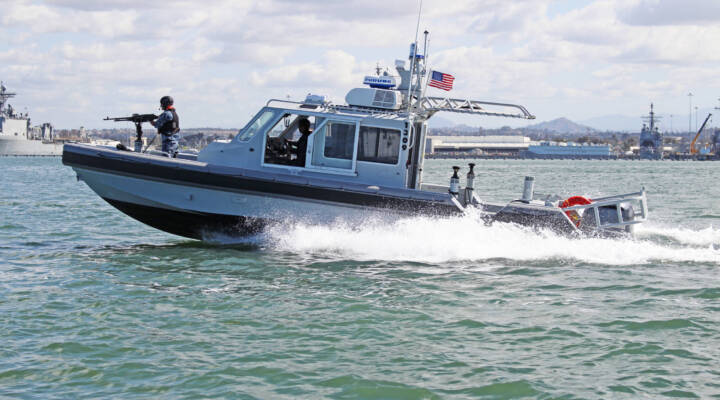
In the world of marine engineering, the efficient operation of an engine depends significantly on the exhaust system, particularly the exhaust riser. Exhaust risers are integral components that help in directing engine exhaust gases away from the engine and out of the vessel. They play a crucial role in maximizing engine power and efficiency, reducing back pressure, and improving overall performance. Understanding the importance of quality exhaust riser systems is essential for anyone involved in marine operations.
Understanding Exhaust Riser Systems
Exhaust riser systems are designed to channel the hot exhaust gases from an engine to the outside environment. They are typically made from materials such as stainless steel or other corrosion-resistant metals to withstand the harsh marine environment. The design and material choice are crucial for the system’s durability and effectiveness.
Key Functions of Exhaust Risers
- Heat Management: By effectively managing the heat from exhaust gases, risers prevent overheating of the engine and surrounding components.
- Back Pressure Reduction: Properly designed risers minimize back pressure, allowing the engine to operate more efficiently.
- Environmental Compliance: Exhaust risers help in directing emissions away from the vessel, ensuring compliance with environmental regulations.
Maximizing Power and Efficiency
The design and installation of an exhaust riser system can significantly impact the power and efficiency of a marine engine. A well-designed system can lead to:
- Improved Engine Performance: By reducing exhaust back pressure, the engine can run more smoothly and efficiently.
- Increased Engine Lifespan: Efficient heat management reduces wear and tear, extending the life of the engine.
- Fuel Efficiency: Lower back pressure and better heat management contribute to fuel savings.
For those interested in the technical specifications and design options, find additional information here.
Choosing the Right Exhaust Riser System
Selecting the appropriate exhaust riser system requires careful consideration of several factors, including:
- Material: The choice of material affects the system’s durability and resistance to corrosion.
- Design: The design should accommodate the specific engine type and the vessel’s layout.
- Installation: Proper installation is crucial to ensure the system operates efficiently and safely.
When selecting an exhaust riser, it is beneficial to explore further insights here to ensure the system meets the specific needs of the vessel.
Maintenance and Longevity
Regular maintenance of exhaust riser systems is vital to ensure longevity and optimal performance. Key maintenance practices include:
- Regular Inspections: Routine checks can help identify signs of wear or damage early on.
- Cleaning: Periodic cleaning prevents build-up that could hinder the system’s performance.
- Repairs and Replacements: Timely repairs or replacements of worn parts prevent further damage.
For a deeper understanding of maintenance practices, learn more in this detailed guide.
The Future of Exhaust Riser Systems
As technology advances, the future of exhaust riser systems looks promising with innovations focused on enhancing efficiency and environmental compliance. Ongoing research and development are likely to bring about new materials and designs that offer even better performance and sustainability.
To stay updated on the latest developments, read more about this topic.
In conclusion, investing in a quality exhaust riser system is essential for optimizing the performance and efficiency of marine engines. By understanding their functions, selecting the right system, and committing to regular maintenance, marine operators can ensure they maximize the power and longevity of their vessels.
