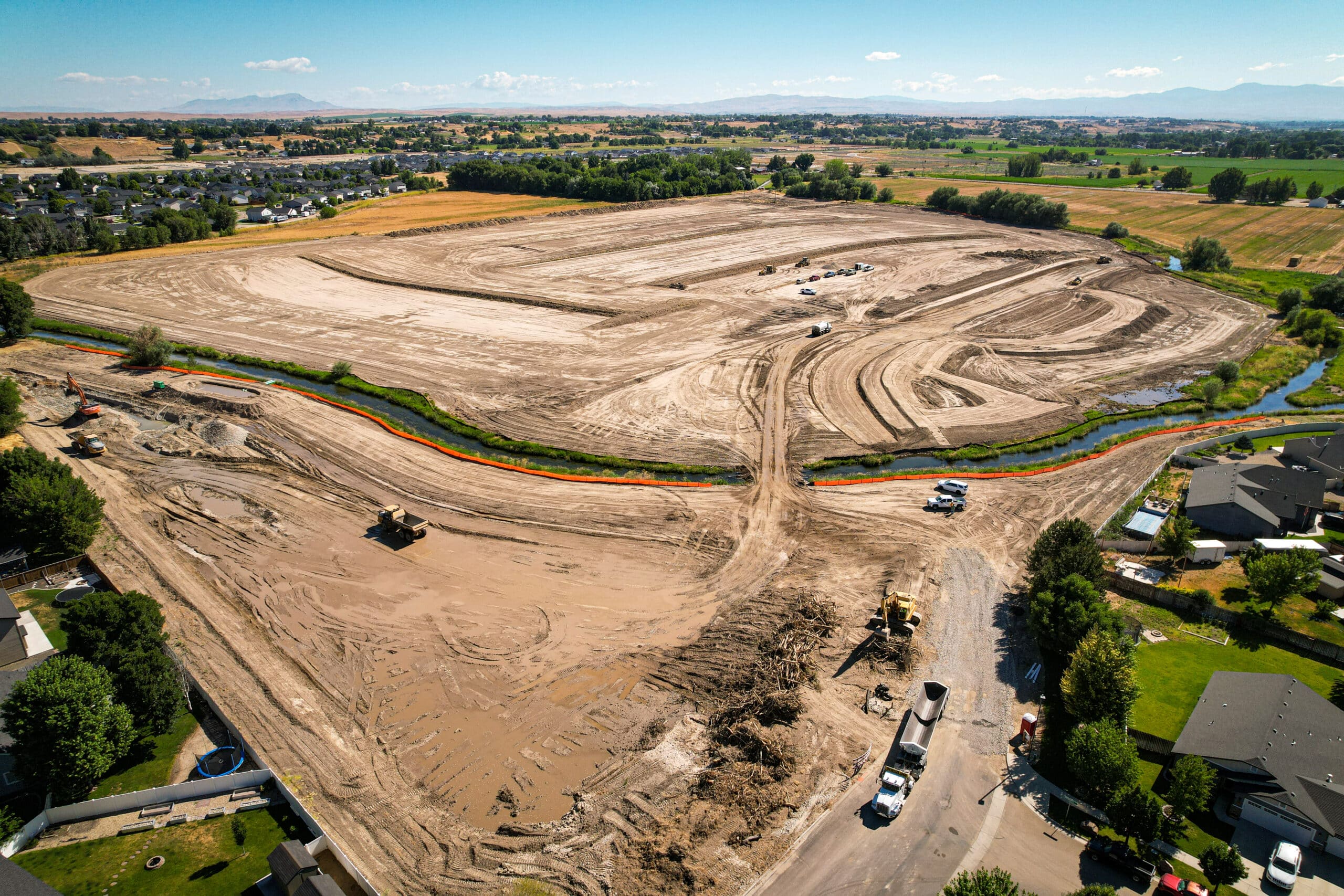
In the ever-evolving landscape of construction, efficient resource management has become paramount. Among the various resources, water stands out as an essential yet often over-utilized element. With climate change and increasing water scarcity becoming pressing concerns, the construction industry is turning towards innovative solutions to optimize water usage. One such solution is the adoption of smart irrigation systems. These systems not only promote sustainable construction practices but also help in reducing operational costs and enhancing project efficiency.
Understanding Smart Irrigation Systems
Smart irrigation systems are advanced technologies designed to optimize water usage by delivering the right amount of water at the right time, based on specific site conditions. These systems leverage various components such as soil moisture sensors, weather data, and automated controls to ensure efficient water distribution across construction sites.
Key Features of Smart Irrigation Systems
- Automated scheduling based on real-time weather conditions.
- Soil moisture sensors to monitor and adjust water levels as needed.
- Remote access and control through mobile devices and computers.
- Integration with other smart technologies for comprehensive site management.
Benefits of Implementing Smart Irrigation in Construction
The integration of smart irrigation systems into construction projects offers a multitude of benefits that align with sustainable development goals and operational efficiency.
Water Conservation
By utilizing data-driven insights, smart irrigation systems significantly reduce water wastage. These systems ensure that water is only used when necessary, thus conserving this precious resource.
Cost Efficiency
Reducing water usage directly translates to lower water bills. Additionally, these systems help in minimizing labor costs associated with manual watering, allowing for a more streamlined budget allocation.
Enhanced Plant Health
On construction sites where landscaping is involved, smart irrigation systems ensure that plants receive adequate water, promoting healthier growth and reducing the likelihood of plant loss.
Environmental Impact
By optimizing water usage, smart irrigation systems contribute to reducing the environmental footprint of construction projects, aligning with global sustainability initiatives.
Implementing Smart Irrigation Systems in Construction
To fully leverage the advantages of smart irrigation, construction sites must consider a strategic approach to implementation. This involves selecting the right irrigation system installation services that understand the unique challenges and requirements of each project.
Site Assessment
Before installation, a thorough assessment of the construction site is crucial. This includes evaluating soil types, plant needs, and existing water sources to tailor the irrigation system effectively.
System Selection
Choosing the right system is pivotal. Factors such as scalability, technology integration, and budget constraints play a significant role in determining the most suitable construction irrigation solutions.
Professional Installation
Engaging with professional irrigation services ensures that the system is installed correctly and is fully operational, providing peace of mind and reducing the risk of future complications.
Future Trends in Smart Irrigation
The future of smart irrigation systems looks promising, with continuous advancements in technology paving the way for more efficient and sustainable solutions. Innovations such as artificial intelligence, machine learning, and IoT integration are expected to further enhance the capabilities of these systems, making them an indispensable part of modern construction practices.
By embracing smart irrigation technologies, the construction industry can make significant strides towards sustainability, efficiency, and resource conservation, ultimately leading to more resilient and eco-friendly construction projects.
