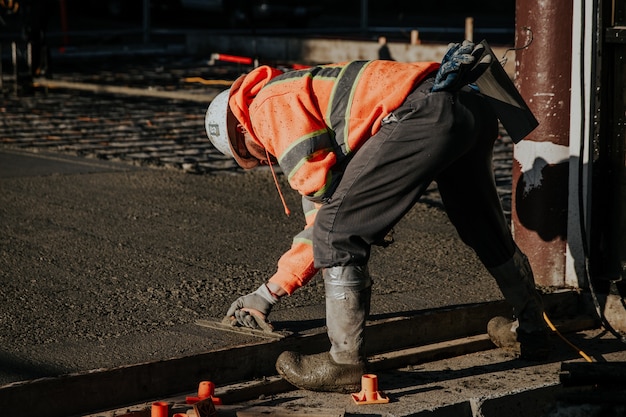
Concrete surfaces, whether driveways, sidewalks, or patios, can develop unevenness over time due to factors like soil erosion, shifting, or settling. This not only affects the aesthetic appeal but also poses safety risks. Concrete leveling, specifically through mudjacking techniques, offers an effective remedy to restore these surfaces. Understanding the intricacies of mudjacking can ensure efficient and lasting results, making it a preferred choice for professionals in the industry.
Understanding Concrete Leveling and Mudjacking
Concrete leveling is a process aimed at correcting uneven concrete surfaces. Mudjacking, also known as slab jacking or pressure grouting, involves raising a concrete slab to its original position by pumping a mixture beneath the slab. This technique is favored due to its effectiveness in various scenarios. Discover expert strategies here.
Key Advantages of Mudjacking
- Cost-Effective: Compared to full slab replacement, mudjacking is significantly more economical.
- Minimal Disruption: The process is relatively quick, allowing for use of the area almost immediately after the procedure.
- Eco-Friendly: Using natural materials in the mud mixture makes mudjacking an environmentally friendly option.
- Long-Lasting: When performed correctly, mudjacking offers durable solutions that stand the test of time.
Essential Steps in the Mudjacking Process
Execution of mudjacking involves several critical steps to ensure efficiency and effectiveness. Find out more about this approach and its detailed processes below:
1. Assessment and Preparation
Initial assessment is vital to determine the extent of the leveling required and the condition of the existing concrete. This phase includes:
- Inspecting the area for cracks, voids, and other potential issues.
- Clearing the site of debris to ensure the effective application of mudjacking.
2. Drilling Injection Holes
Strategically drilled holes are essential for the injection process:
- Holes of about 1.5 inches in diameter are drilled into the concrete slab.
- Spacing and placement are crucial to achieve the most effective lift.
3. Injecting the Mud Mixture
The next step involves the actual injection of the slurry:
- A mixture of water, soil, and cement is pumped under the slab.
- Pressure is applied to lift the concrete to the desired level.
- Continuous monitoring ensures even lifting and prevents over-correction.
4. Sealing and Finishing
Post-lifting, the process involves sealing for durability:
- Injected holes are filled and sealed to prevent moisture ingress.
- Final touches are applied to ensure a smooth surface finish.
Choosing the Right Professional Services
While mudjacking can seem straightforward, the precision required demands professional expertise. Explore advanced guides and tips about selecting the right services for concrete leveling needs. Key factors to consider include:
- Experience and Expertise: Look for providers with proven track records and specialized knowledge.
- Quality Materials: Ensure the use of high-quality materials for long-lasting results.
- Comprehensive Services: Opt for services that include thorough assessment and aftercare.
Conclusion
Mudjacking remains a widely trusted method for concrete leveling due to its cost-effectiveness, minimal disruption, and durability. Selecting the right service provider, equipped with expert knowledge and advanced techniques, ensures optimal results. Whether dealing with residential or commercial properties, understanding these expert mudjacking techniques is invaluable for maintaining safe and aesthetically pleasing concrete surfaces. Learn about our tailored solutions and implement these strategies effectively.
